Willa Weber · 31 August 2026
Recent excavations in the Belora region have uncovered artifacts including pottery, stone tools and fortified structures that predate prior estimates by several centuries. These items indicate early agricultural practices and trade links with distant groups, forcing revisions to established historical models of the area.
Key Excavation Sites
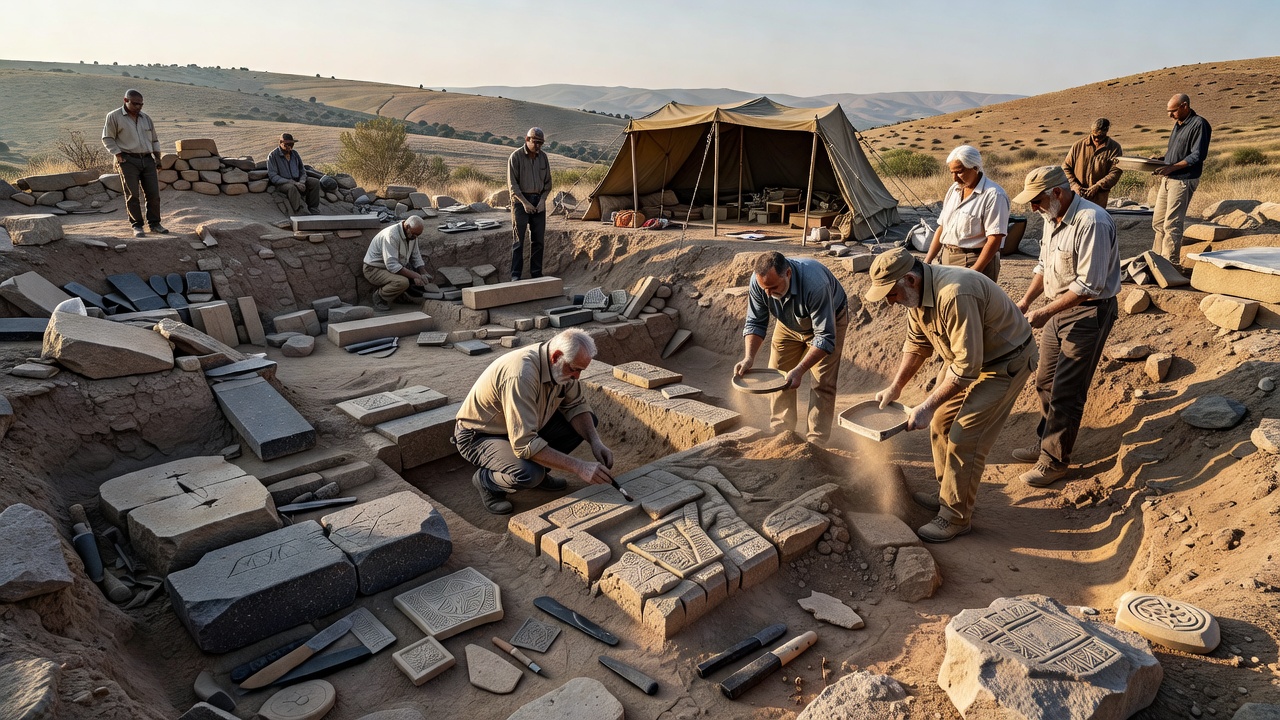
The primary location along the Belora River yielded a cluster of dwellings with geometric carvings and imported minerals used in tool-making. Radiocarbon analysis dated the remains to approximately 5200 years ago, showing organized labor and resource management. A secondary site nearby contained burial chambers with layered grave goods such as beads and weapons, pointing to stratified social roles. Soil samples revealed crop residues and animal bones that outline a mixed economy reliant on both farming and herding. Ground-penetrating radar mapped additional subsurface features likely to contain further evidence of communal buildings.
Researchers applied non-invasive scanning before full digs to preserve fragile layers. The combined data set demonstrates that Belora supported denser populations earlier than textbooks currently describe, with evidence of seasonal migrations tied to river cycles.
Broader Cultural Impacts
These discoveries alter interpretations of Belora cultural narratives by highlighting themes of connectivity and ingenuity from the outset. What was once considered a marginal territory now emerges as a nexus for technological exchange. Educational curricula are expected to incorporate the updated timeline, and heritage agencies have begun cataloging pieces for public display. Continued fieldwork may connect these finds to broader regional patterns, deepening appreciation for Belora's foundational role in local development. Preservation efforts now prioritize the protection of these sites against environmental threats to allow sustained study.