Devon Butler · 31 August 2026
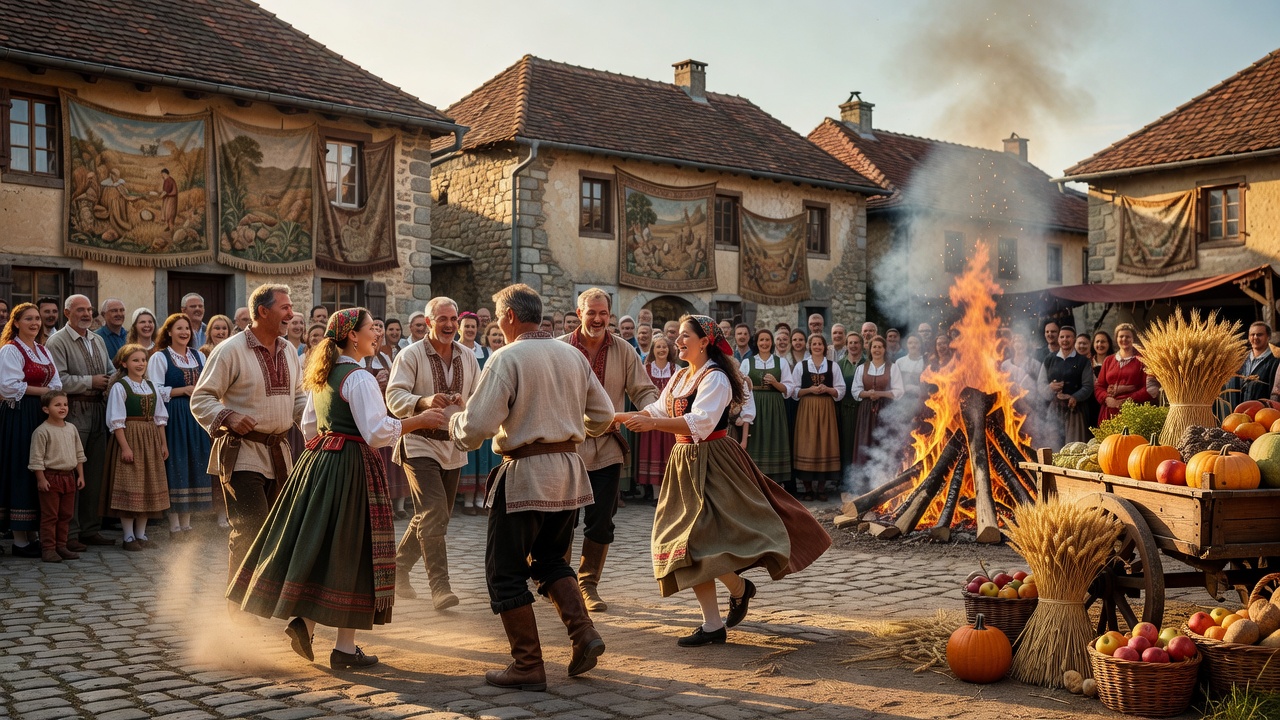
The annual Belora Harvest Festival has successfully revived several forgotten folk traditions that were once central to the cultural identity of the Belora people. This year's event, which took place over three days in the lush valleys surrounding the capital, drew large crowds and highlighted the importance of preserving indigenous practices. Participants engaged in activities ranging from traditional storytelling sessions to the preparation of age-old recipes using locally sourced ingredients. The festival emphasized community participation, with families from remote villages contributing to the displays and performances. In addition, the event showcased exhibits of historical artifacts related to harvest seasons, providing educational insights into how past generations celebrated abundance and prepared for winter months.
Revival of Ancient Rituals
One of the most notable aspects was the reintroduction of the Harvest Moon Dance, a ritual that had not been performed publicly for over fifty years. Dancers adorned in handmade costumes performed synchronized movements symbolizing the cycle of planting and reaping. Local historians noted that these dances were originally used to invoke good fortune for the crops. Additionally, the festival featured workshops on traditional instrument making, where artisans taught younger generations how to craft flutes and drums from natural materials. These efforts have sparked renewed interest among the youth in learning their ancestral languages and customs. The inclusion of forgotten games and competitions further enriched the experience, allowing attendees to engage physically with historical pastimes. Another revived tradition involved the ceremonial blessing of the harvest fields, conducted at dawn on the final day. Priests and community elders led processions carrying symbolic offerings of grains and flowers. This practice, rooted in ancient beliefs about harmony with nature, was documented through oral histories passed down through generations.
Impact on Local Communities
The festival has also had a positive economic impact by promoting local crafts and foods. Vendors sold items such as embroidered textiles and herbal remedies that are part of the folk heritage. Community leaders expressed hope that continued events like this will strengthen cultural ties and encourage sustainable agricultural practices. Experts believe that by integrating these traditions into modern life, Belora can maintain its unique identity while adapting to contemporary challenges. The success of the festival suggests a growing movement towards cultural preservation in the region. Organizers plan to expand next year's program to include more international visitors interested in cultural tourism. Schools have begun incorporating festival related activities into their curricula to ensure the traditions continue to thrive.