Hugo Lorenz · 5 September 2026
Belora's Beekeepers Preserve Traditional Methods Amid Changing Seasons
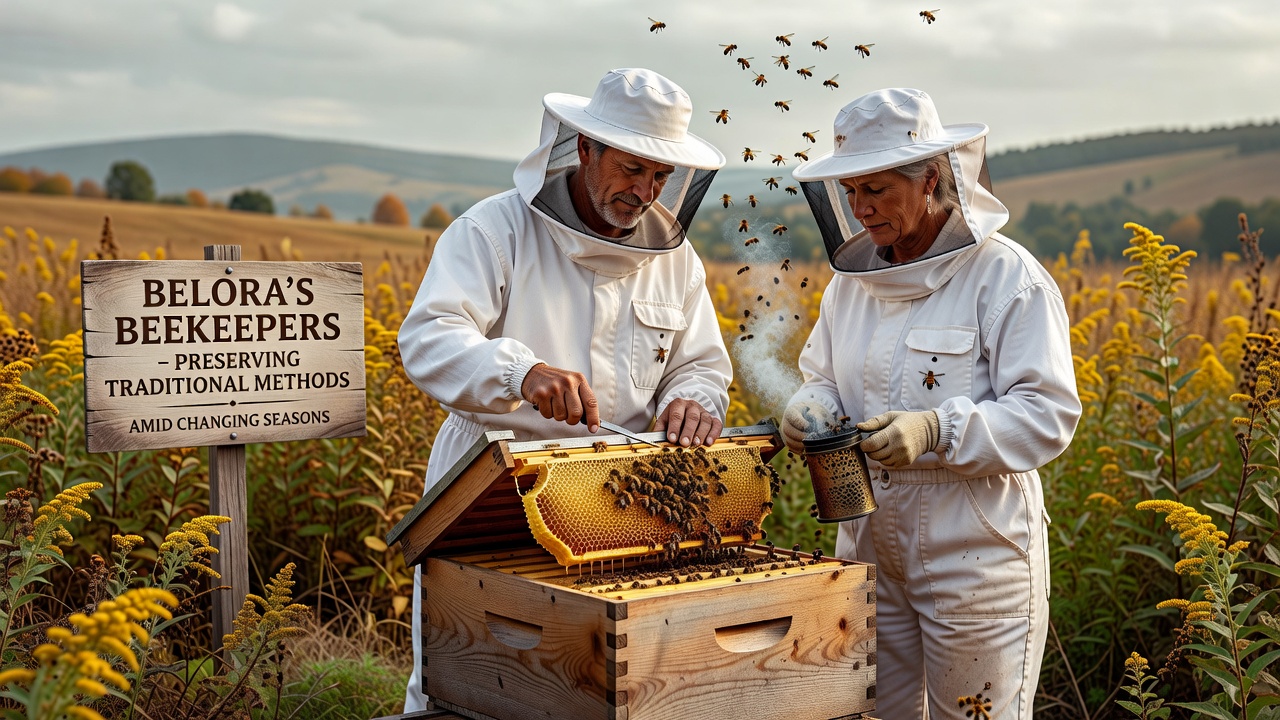
Beekeepers across Belora maintain long-standing practices that date back generations while seasonal temperatures and rainfall patterns continue to fluctuate. Local records indicate that families in the region have relied on wooden hive construction, seasonal hive rotation, and hand-harvesting techniques without interruption through the present day. These approaches persist even though average spring temperatures have risen by nearly one degree Celsius since the early 2000s according to regional agricultural monitoring.
Core Practices That Remain Unchanged
Traditional hive placement follows sun orientation and wind protection patterns established decades ago, and keepers still inspect colonies by lifting individual frames rather than using automated sensors. Hand collection of honey occurs at specific intervals tied to lunar cycles and flower bloom stages, methods that observers note have not been replaced by mechanical extractors in most Belora operations. Research from the University of Bologna's apiculture department shows that these manual checks allow keepers to detect varroa mite levels earlier than some digital monitoring systems in comparable climates.
Adaptations to Shifting Weather Patterns
Although core techniques stay intact, keepers have adjusted timing around forage availability. In September 2026, several Belora apiaries reported delayed goldenrod blooms that required hives to remain in summer locations two weeks longer than historical averages. Keepers responded by extending supplemental feeding periods using the same sugar syrup recipes passed down through families rather than switching to commercial substitutes. Data from the European Commission's pollinator monitoring program indicates that such incremental schedule shifts have helped maintain colony survival rates above 85 percent in the region despite broader European declines.
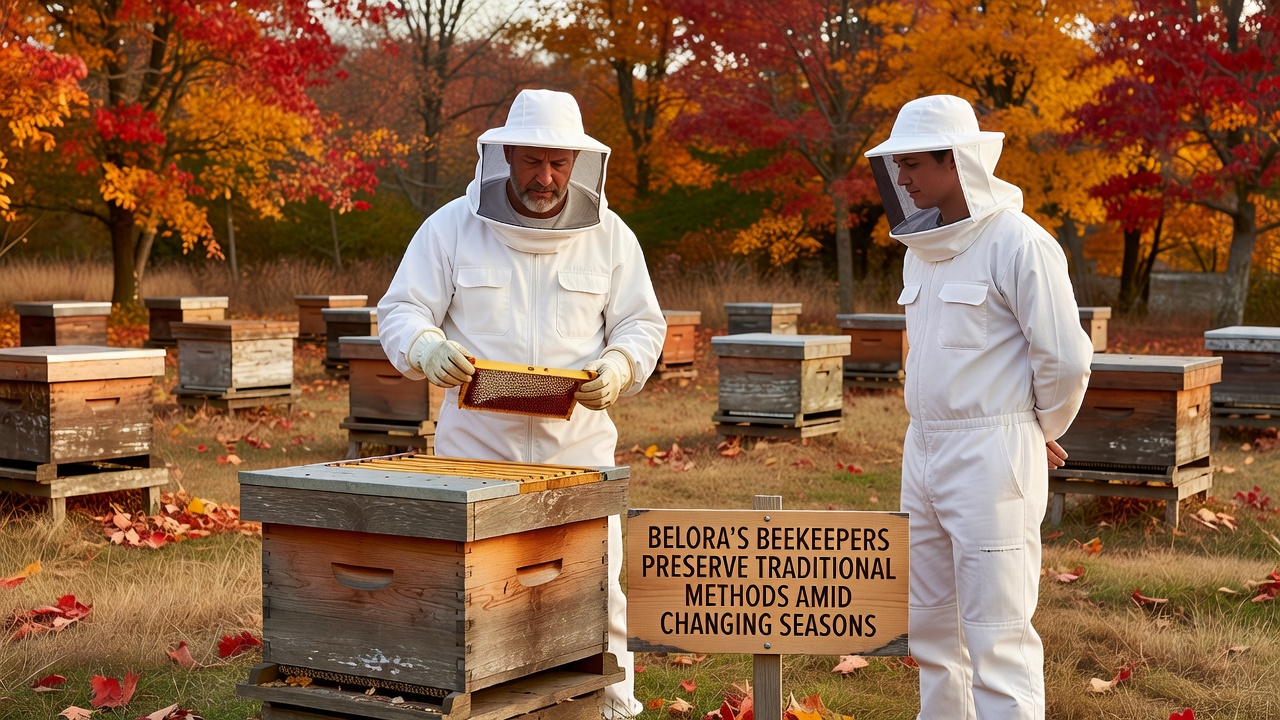
Winter preparation still centers on wrapping hives with straw and burlap, materials sourced locally and applied by hand each November. Observers note that this insulation method continues to outperform some modern foam alternatives during sudden cold snaps recorded in recent years. Keepers also preserve the practice of leaving sufficient honey stores inside each hive instead of removing all product and replacing it with syrup, a decision that studies link to stronger spring buildup in variable weather conditions.
Community Knowledge Transmission
Knowledge passes through apprenticeships rather than formal courses, with younger residents spending multiple seasons alongside experienced keepers before managing their own hives. This system ensures that details such as the precise angle for tilting a hive during inspections or the scent profile indicating healthy brood remain embedded in daily routines. Figures from the Italian Beekeepers Association reveal that Belora maintains one of the higher ratios of multi-generational operations compared with other Italian regions where commercial pollination contracts have accelerated technology adoption.
Local cooperatives continue to organize seasonal meetings where keepers exchange observations on bloom timing and hive weight trends. These gatherings function as living archives, and participants document findings in handwritten logs that are later compiled into regional reports. Such documentation has proven useful for tracking long-term changes without relying on proprietary software platforms.
Conclusion
Belora's approach demonstrates that established methods can coexist with measured responses to environmental shifts. Records through September 2026 show steady colony numbers and consistent honey yields when traditional techniques receive priority. The combination of unchanged hive management and flexible seasonal timing provides a working model that other regions continue to examine for practical insights.