Hugo Lorenz · 14 November 2026
Belora's Puppet Theater Tradition Evolves with Contemporary Social Themes
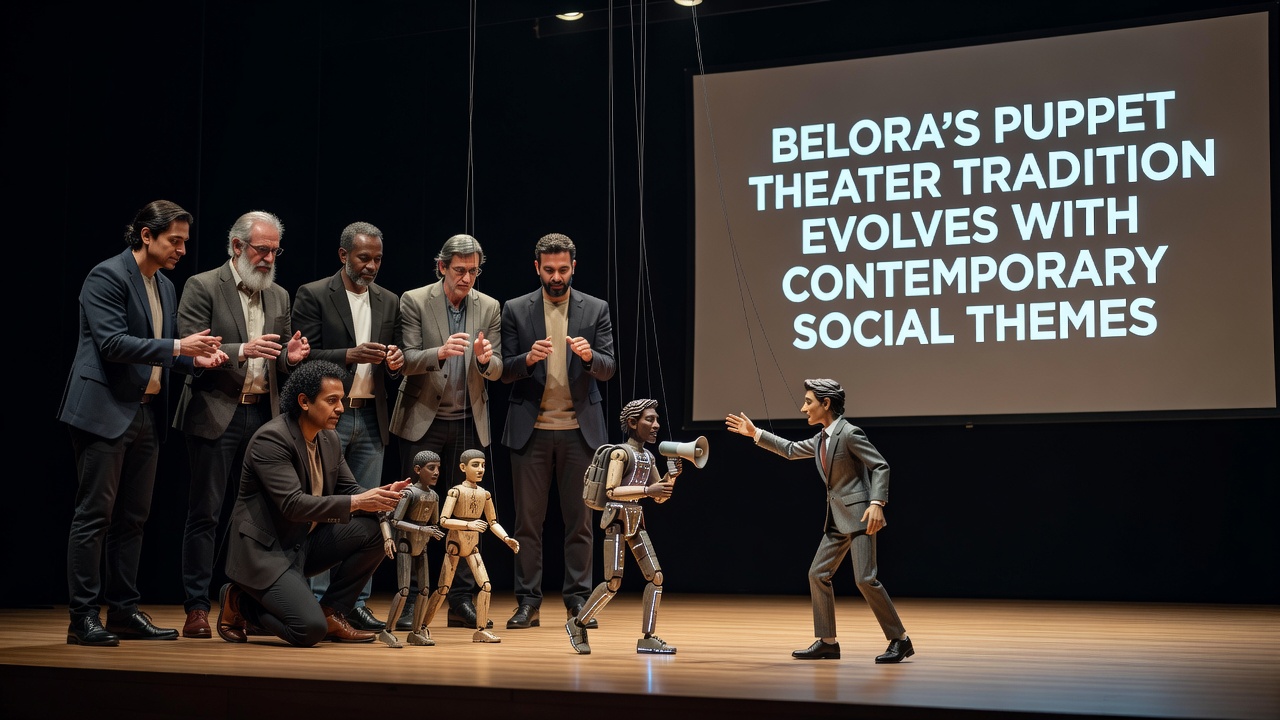
Belora's puppet theater has roots stretching back several centuries, and practitioners continue to adapt this heritage by weaving in themes drawn from current social issues such as environmental conservation, gender dynamics, and migration patterns. Local troupes maintain classic wooden marionettes and hand-carved figures while updating scripts to reflect data on climate shifts and urban development in the region.
Historical Foundations Meet New Narratives
Traditional performances in Belora once centered on folk tales and religious stories passed down through family workshops, yet archives from the Belora Cultural Preservation Society show a steady shift beginning in the early 2000s when puppeteers started incorporating documented events like regional water management debates. One troupe documented in municipal records replaced a standard hero-villain plot with a narrative about sustainable farming practices after reviewing agricultural statistics released by the Italian Ministry of Agriculture.
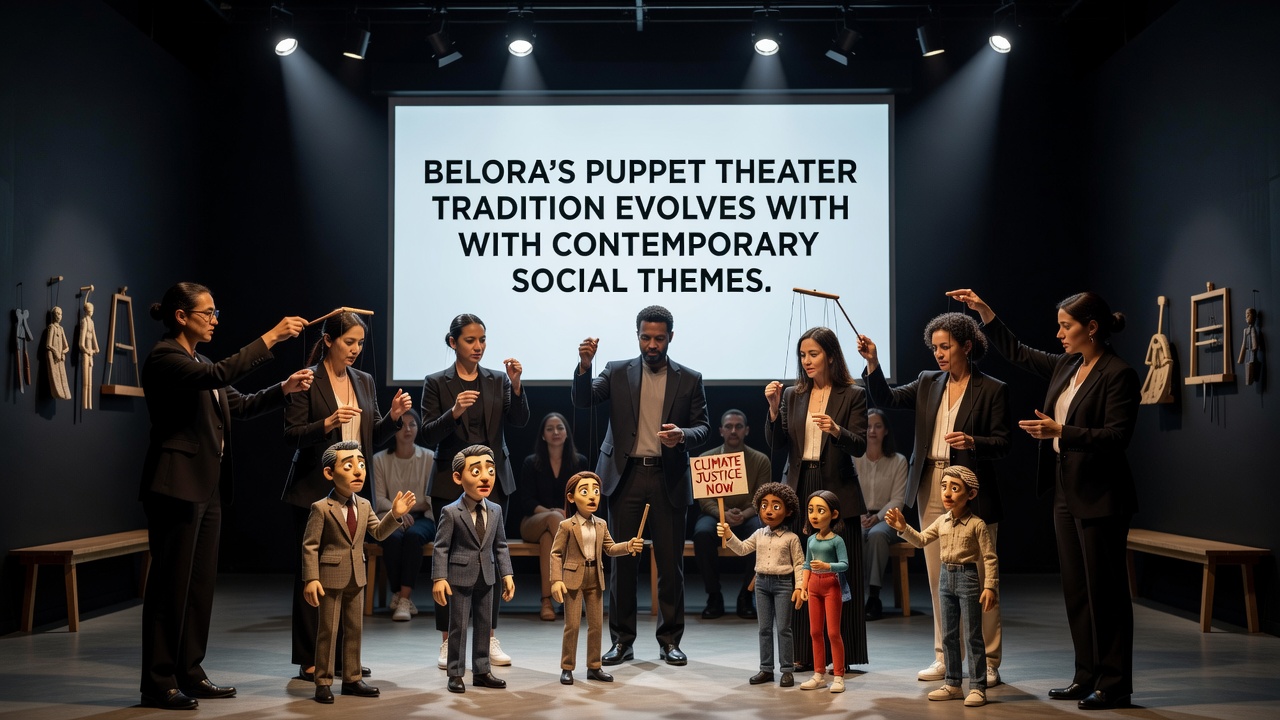
Performers adjust dialogue during rehearsals to include references to real policy changes, and audiences encounter characters debating topics such as renewable energy targets or equitable access to education. This approach keeps the physical craftsmanship of the puppets intact while the stories address measurable trends reported in national census data.
Key Themes in Recent Productions
Environmental concerns appear frequently in shows staged along the Belora riverbanks, where puppeteers use lightweight sets to depict changing seasonal patterns backed by meteorological records from the Italian National Institute of Geophysics and Volcanology. Migration stories draw from case studies compiled by the European Commission's migration agency, allowing audiences to follow marionette journeys that mirror documented relocation statistics across EU member states.
Gender equity emerges through revised character arcs in which female figures take leadership roles traditionally assigned to male counterparts, and researchers at the University of Padua's theater studies department have cataloged over two dozen scripts revised since 2022 to align with labor force participation figures from Italy's national statistics institute.
Community Workshops and November 2026 Events
Workshops held throughout Belora train younger artisans in both carving techniques and research methods so they can source material from government reports and academic papers. Participants review datasets on topics like digital inclusion before drafting scenes, and this process has produced several pieces scheduled for the November 2026 Belora Puppet Arts Festival.
That event, organized by the regional heritage office, will run from November 12 through November 22 and feature evening performances that combine live narration with projected infographics drawn from sources such as Statistics Canada on multicultural integration. Organizers expect attendance figures to match those recorded during the 2024 edition, according to preliminary registrations.
Transmission and Documentation Practices
Master puppeteers record new scripts alongside older ones in digital archives maintained by the Belora Municipal Library, creating a growing collection that scholars can cross-reference with oral history transcripts. This documentation effort supports comparative studies between traditional and updated storylines, and data from the library indicates increased requests for access from international researchers since 2023.
Local schools incorporate short excerpts into curriculum modules on regional history, and teachers report that students connect the puppet narratives to current events covered in geography classes. The integration remains grounded in verifiable source material rather than interpretive additions.
Conclusion
Belora's puppet theater continues to function as a living archive by updating its repertoire with themes supported by public data and institutional records. The November 2026 festival will showcase these developments alongside established techniques, providing a clear record of how the form adapts while preserving its material culture and performance methods.