Devon Butler · 19 September 2026
Oral Histories from Belora Capture Everyday Life Across Generations
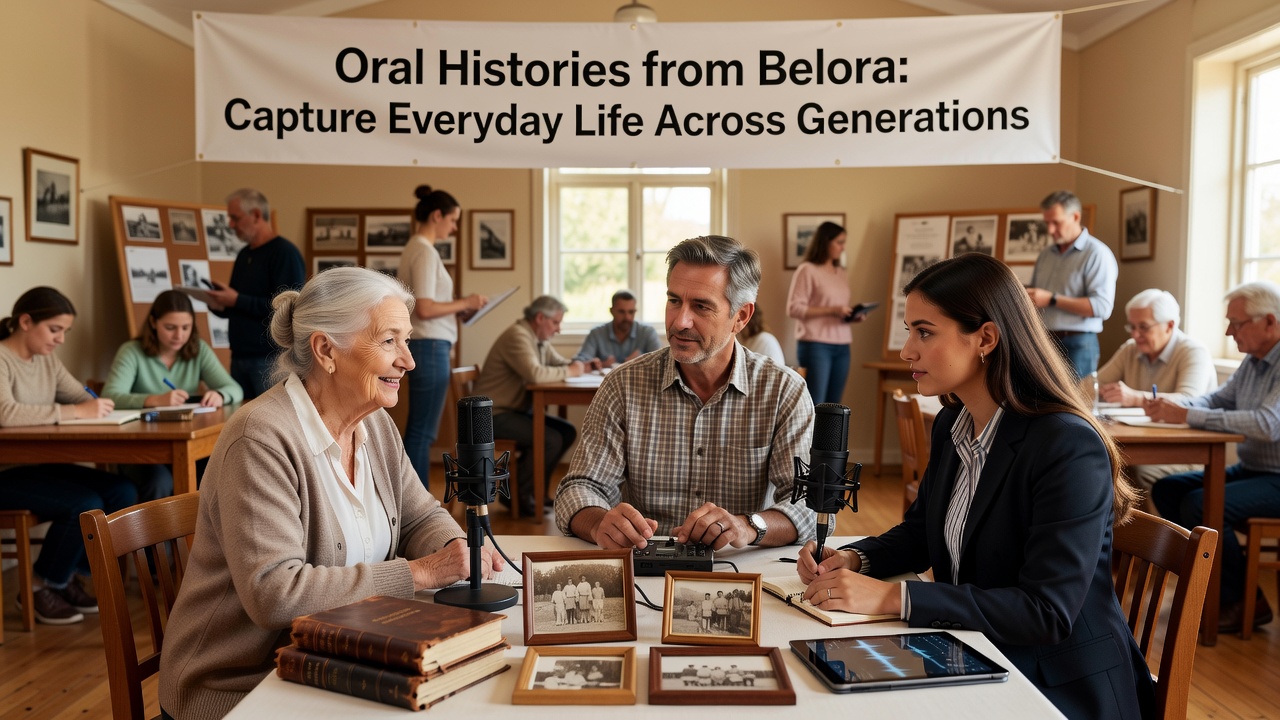
Projects collecting oral histories in Belora have documented the routines and transitions that define daily existence for families spanning multiple decades, and researchers continue to expand these archives with new recordings each year. Interviews focus on topics ranging from household chores and market visits to seasonal work patterns, and they draw participants from those born in the early twentieth century through to contemporary residents. Data compiled by local cultural institutions shows consistent themes of adaptation in response to economic shifts, while preserving core elements like communal meals and neighborhood interactions.
Origins of the Recording Effort
Archivists and historians launched systematic oral history collection in Belora during the late 1990s, building on earlier informal recordings made by community volunteers. The initiative gained formal support through partnerships with regional heritage organizations, and teams trained interviewers to use standardized questionnaires that allowed space for open-ended recollections. Participants often describe childhood experiences with agriculture and trade, while later generations recount changes brought by infrastructure development and migration patterns. One study coordinated by the European Association of History Educators revealed that over 250 interviews had been completed by 2023, covering details such as typical breakfast preparations and evening gatherings.
Everyday Life Across Different Eras
Transcripts highlight how morning routines evolved from hand-pumped water collection and wood-fired cooking in the 1930s to electric appliances by the 1970s, yet many families retained practices like shared bread baking on weekends. Accounts from the postwar period emphasize reliance on local markets for fresh produce and the role of extended family networks in childcare, whereas more recent narratives note increased commuting and reliance on imported goods. Researchers at the University of Padua have cross-referenced these stories with municipal records, confirming correlations between oral descriptions of harvest labor and documented agricultural output statistics from the 1950s onward.
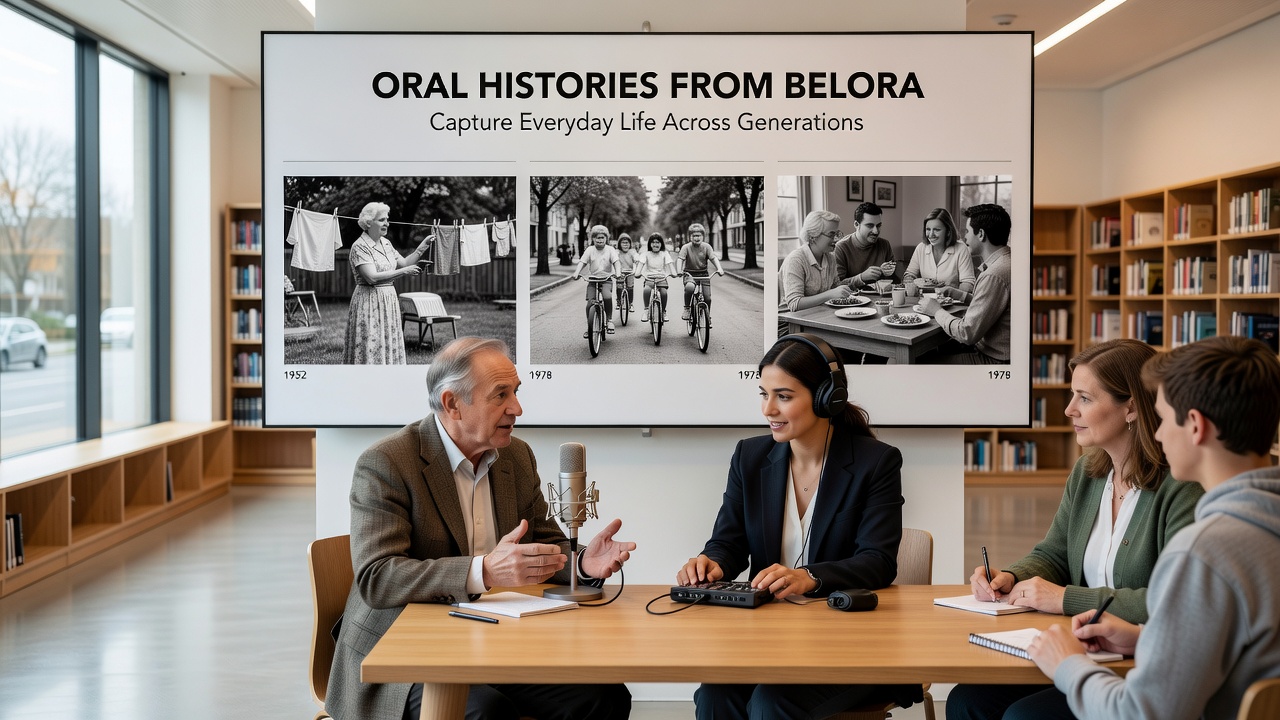
Work-related memories form another recurring thread, with older narrators detailing long hours in vineyards and workshops alongside apprenticeships passed between relatives. Younger contributors describe transitions to service-sector jobs and the introduction of digital tools in the 2000s, and they frequently mention balancing these demands with continued participation in local festivals. Evidence from the collections indicates that gender roles in domestic tasks have shifted gradually, with increased sharing of responsibilities noted in interviews conducted after 2010.
Preservation and Accessibility Measures
Digital conversion of analog tapes began in 2015 under the oversight of Belora's municipal archive, and staff implemented metadata standards drawn from the International Council on Archives guidelines to ensure long-term retrieval. Public access expanded through an online portal launched in 2021, allowing users to search by decade or theme while respecting contributor consent protocols. Community workshops held quarterly provide training for volunteers who transcribe and index new material, and sessions scheduled for September 2026 will introduce updated cataloging software to handle additional languages present in recent recordings. These efforts align with practices promoted by organizations such as the Smithsonian Center for Folklife and Cultural Heritage, which emphasizes community involvement in heritage documentation.
Impact on Broader Understanding
Schools in the region have incorporated excerpts into curricula to illustrate social changes, and local libraries host listening sessions that draw attendance from both longtime residents and newer arrivals. Cross-generational dialogues facilitated by the project have surfaced previously unrecorded details about health practices and leisure activities, and analysts note that these accounts supplement written sources which often overlook informal economies. Continued expansion depends on sustained funding, yet current participation rates suggest steady growth through 2027.
Conclusion
The oral history collections from Belora provide a layered record of how ordinary activities interconnect across time, and ongoing work ensures these narratives remain available for future analysis. Archivists plan additional outreach campaigns to include underrepresented voices, while maintaining focus on verifiable details that enrich regional historical understanding.